Hallvard Bremnes, Global Head of Sustainability at Givaudan

Hallvard Bremnes, Global Head of Sustainability, Givaudan
UEBT and Givaudan have worked together for many years on biodiversity and sourcing responsibly across various supply chains. Givaudan recently reinforced this collaboration and became a UEBT member. What does this milestone represent for Givaudan, and how has the collaboration with UEBT supported your biodiversity, human rights and responsibly sourcing journey so far?
It's a key milestone for us as it further strengthens an important and highly valued collaboration and represents an opportunity to reaffirm the commitments we have made around people and nature through our work on topics from responsible sourcing to biodiversity and human rights.
These are topics that no one organisation can tackle single-handedly and our collaboration with UEBT over the years on strategic supply chains and on-the-ground, field-based initiatives, has helped to tap into shared expertise and insight that has ultimately helped us fuel progress.
Our UEBT membership will enable us to leverage these shared experiences and perspectives even more deeply and play a vital role in being able to deliver even greater collective impact together.
Givaudan has set a clear ambition to responsibly source 100% of its naturals portfolio by 2030 and this reached 87% by the end of 2025. What does “responsibly sourced” mean in practice for you?
In fact, our commitment goes even further beyond our naturals portfolio and applies to 100% of our materials and services (including indirect materials and services) so it’s a bold ambition for a business of our size and scale. And in the case of naturals, we rely on a constant supply of more than 10,000 raw materials from across the globe; many of which are sourced from remote communities where there can be environmental and economic pressures, so this comes with complexity of its own to manage.
When we measure our progress against this ambition, we look at percentage by procurement spend, which is flagged as sourced responsibly upon completion of due diligence as defined in our Sourcing4Good programme under its four levels from committed to advanced.
The programme - which was introduced in 2021 - is an important way of ensuring we can provide value for everyone as we grow our business together: it is based on industry criteria ranging from environmental and social benchmarks, improved supply chain security, greater transparency and more relevant supply chain information. It means our suppliers can expect more visibility and the opportunity for partnerships, at the same time as our customers benefit from greater access to safe, high-quality product sourced in a responsible way with increased oversight and detailed knowledge of their supply chains.
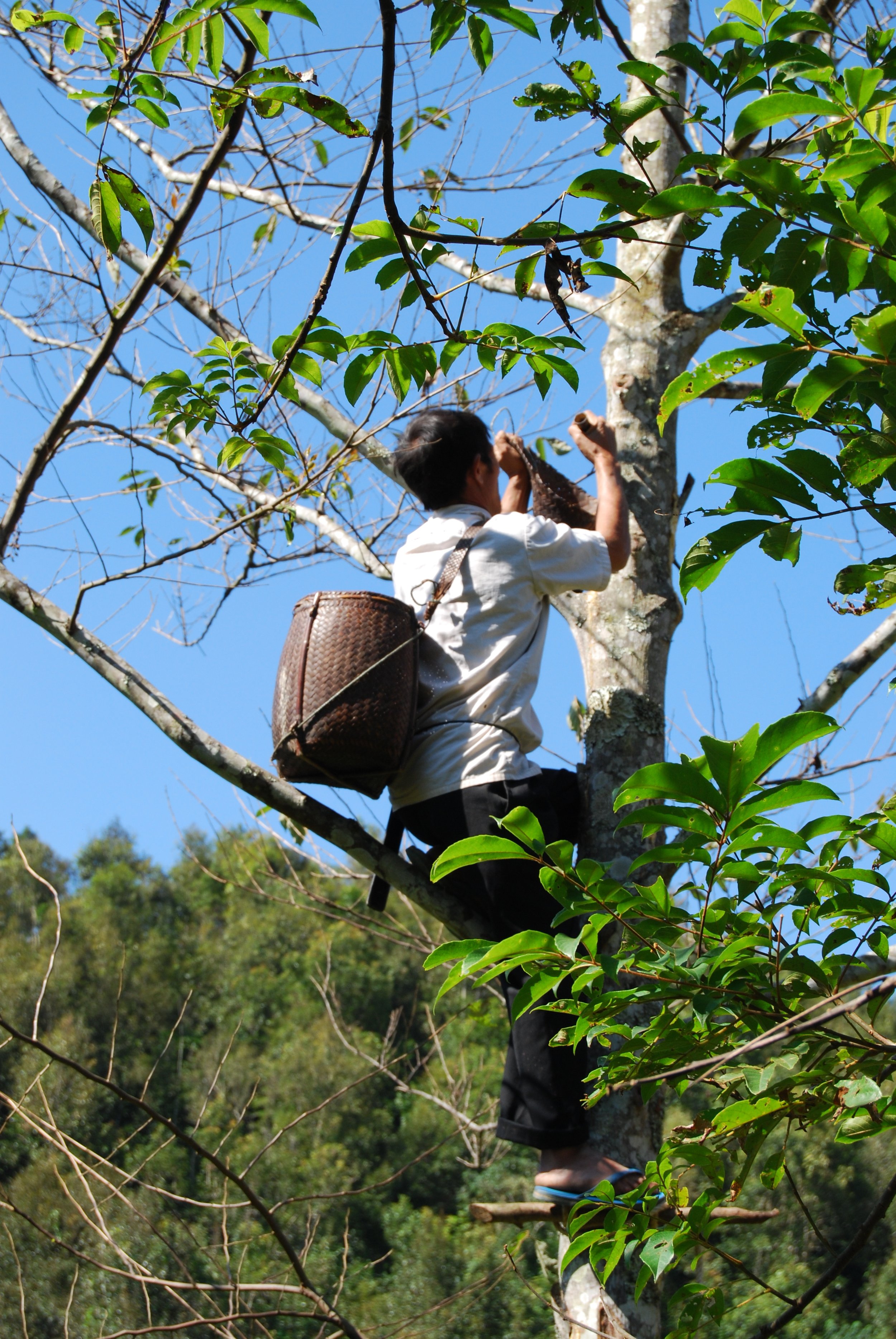
Benzoin, Lao, © Givaudan
UEBT’s Resilience Rooted in Nature report highlights the growing links between biodiversity, climate, and supply chain stability. How does Givaudan see responsible sourcing as a lever to strengthen supply chain resilience?
Healthy ecosystems make resilient supply chains. By protecting and regenerating biodiversity – for example by investing in regenerative agricultural practices - we can help reduce volatility in yields and quality, which are issues that climate change continues to amplify. Responsible sourcing provides a framework for long‑term relationships with farming communities, enabling us to co‑develop climate‑adaptation measures such as soil restoration, water management, and more diverse cropping systems.
For example, in our patchouli supply chain in Indonesia, soil‑health training has helped growers maintain consistent output despite recent weather extremes. In short, responsible sourcing is not an add‑on but a foundation for business continuity and resilience.
Givaudan’s double materiality assessment identifies natural raw materials sourcing as a key biodiversity risk. How does this shape your engagement with suppliers, especially in complex supply chains involving cultivated and wild-harvested ingredients?
Biodiversity considerations play an important role in guiding how we prioritise and manage sourcing relationships and the topic of biodiversity is embedded into our purpose with two new 2030 purpose-linked targets – to source our critical agricultural commodities without contributing to deforestation or natural ecosystem conversion and to source our key raw materials from supply chains engaged in Regenerative Agriculture.
For high‑risk materials such those linked to sensitive habitats or wild harvesting, we conduct biodiversity and social‑risk assessments.
For example, in 2023 and 2025, in our Benzoin supply chain in Laos, our supplier partner launched a UEBT verification on the supply-chain, obtaining UEBT’s Responsible Sourcing level, which validates the good harvest practices in place, alongside other aspects, in the 200 villages where the benzoin gum is collected in Northern Laos. This is an important part of our efforts together with our supplier partner designed to help preserve and protect this precious ingredient while safeguarding biodiversity in the areas where it is grown and collected.
Beyond raw materials, Givaudan invests in community projects, such as water stewardship initiative in India supported by the Givaudan Foundation and in collaboration with UEBT. How do these projects complement your responsible sourcing efforts and contribute to long-term resilience for people and biodiversity?
We’ve set bold ambitions when it comes to benefitting all communities Givaudan works with. Not just our 2030 ambition to source all materials and services in a way that protects people and the environment, but also our 2030 ambition to improve the lives of millions of people in the communities where we source and operate.
And of course it is through collaboration – whether through initiatives with the Givaudan Foundation or with other partner organisations – that we can bring this to life. As our responsible sourcing ambitions are driven by the pursuit of a positive impact for people and the environment, these projects are a concrete way of ‘walking the talk’ when it comes to making meaningful and concrete progress towards our targets.
Community investment projects help tackle systemic challenges that affect both people and nature. The water‑stewardship programme in India, initiated several years ago, for example, responds to shared water stress affecting local farmers and our suppliers.
Prior to the initiation of the programme, villagers were spending a lot of time every day collecting drinking water as a result of lack of close-by infrastructure. During the dry season in particular, this meant that they often ended up with too little water to cover their domestic needs.
To improve the living conditions of these communities the Givaudan Foundation and UEBT worked together to install drinking water infrastructures and together with committed villagers from two producing communities, a total of eight water facilities were built.
As a result, more than 1,600 people are estimated to have gained easier access to clean water especially by reducing the time they need for this activity. A water committee is in place for the maintenance of the water points, to ensure their good functioning over time and guarantee that the water is collected by the villagers according to hygienic standards.
Finally, thanks to those new water points, villagers are now able to source in a shorter period of time, as much water as their households would need.
Such projects directly complement our responsible sourcing efforts by addressing the root causes of vulnerability in our supply chains. Healthier ecosystems and stronger communities create the foundation for long‑term sourcing resilience and shared prosperity.
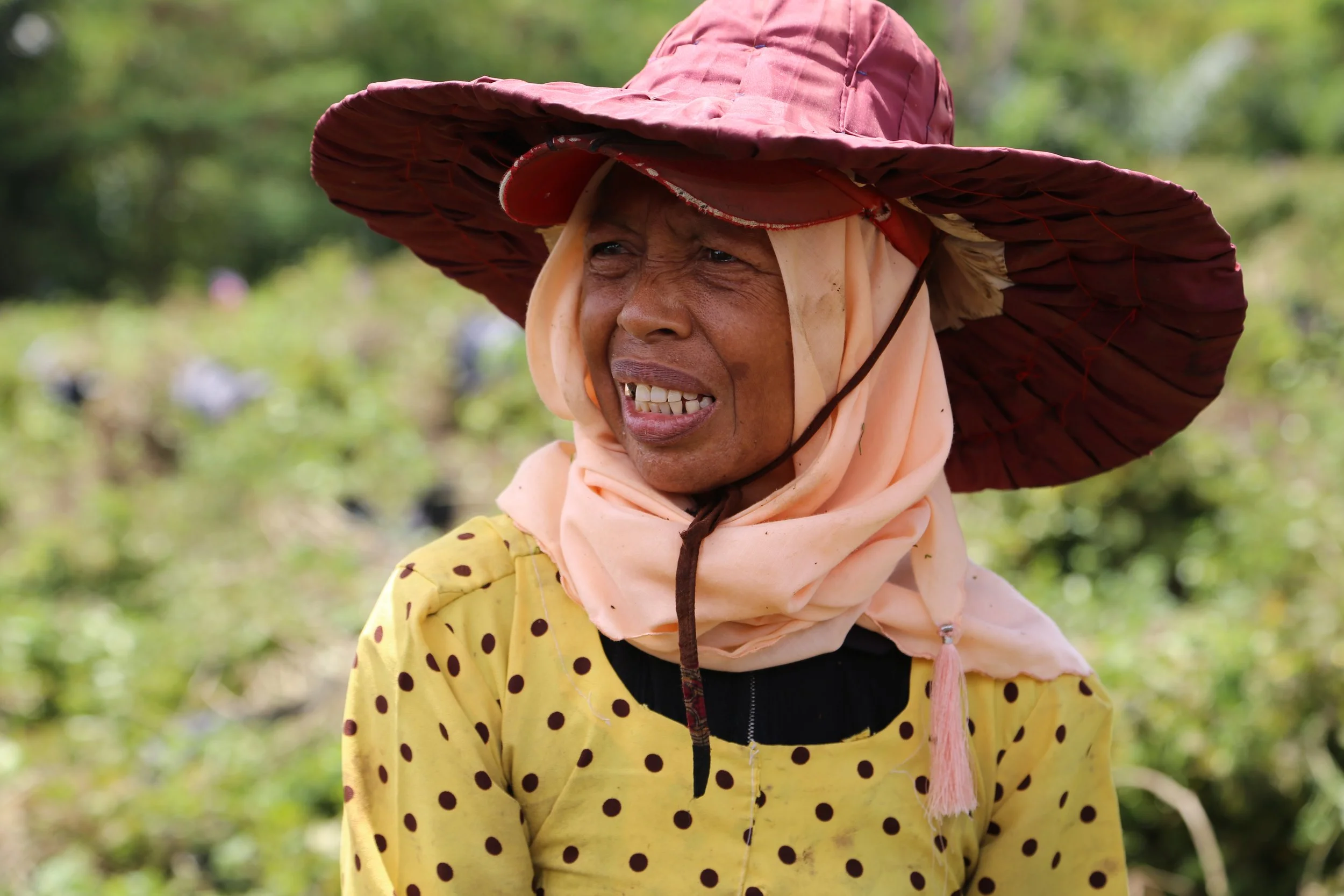
Patchouli, Indonesia, © Givaudan
Human rights due diligence is a key part of your 2030 ambition to source all raw materials and services in a way that protects people and the environment. What are some of the key activities that are underpinning your human rights work in botanical supply chains?
We’ve embedded human‑rights due diligence across our operations and extended it deep into our natural‑ingredients supply chains. This includes supplier assessments against our Responsible Sourcing Policy, third‑party audits, and continuous improvement plans.
At the field level, we work with partners like UEBT to assess working conditions, income and gender equality as well as human rights. This enables us to implement initiatives such as programmes providing training on health and safety, additional community income sources, and grievance mechanisms that ensure workers’ voices are heard. By linking these actions with biodiversity and sourcing goals, we’re ensuring that respect for people and respect for nature advance in parallel.

Rose. Bugaria, © Givaudan
Drawing on Givaudan’s experience in sector-wide collaborations facilitated by UEBT—such as on rose in Bulgaria and guaiac wood in Paraguay—how important is sectoral collaboration in driving systemic change in ethical sourcing and biodiversity protection, beyond what individual companies can achieve on their own?
Sectoral collaboration is essential because biodiversity – and other related challenges impacting people and nature - are shared. Working with peers, producers, and experts through UEBT allows us to set common standards, pool resources, and deliver impact at scale. The rose initiative in Bulgaria, for instance, is aiming to improve working conditions for rose harvesters, with a specific focus on preventing child labour and informal work. This initiative involves all key rose producers in Bulgaria, our peers, local experts, and applies across an entire growing region, not just within Givaudan’s network. In Paraguay, collective work on guaiac wood aims at aligning the whole sector on good practices on harvesting, working conditions and improved traceability, while encouraging dialogue with EU CITES authorities.
No single company can solve systemic issues alone — collaboration is how we move from individual improvements to industry‑wide transformation for people and nature. It is vitally important to us to be part of collaborative actions including coalitions and joint initiatives to drive action in key supply chains, including Rose in Turkey, Jasmine in India and in our Madagascar Vanilla supply chain as some examples.